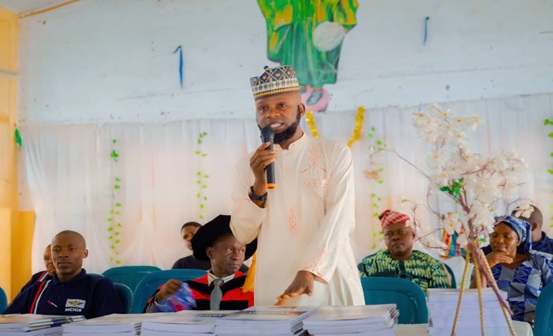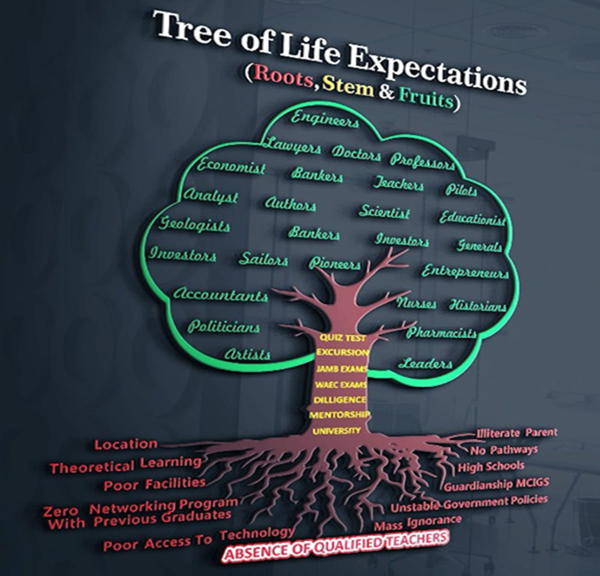
The MCIGS Tutorial Framework
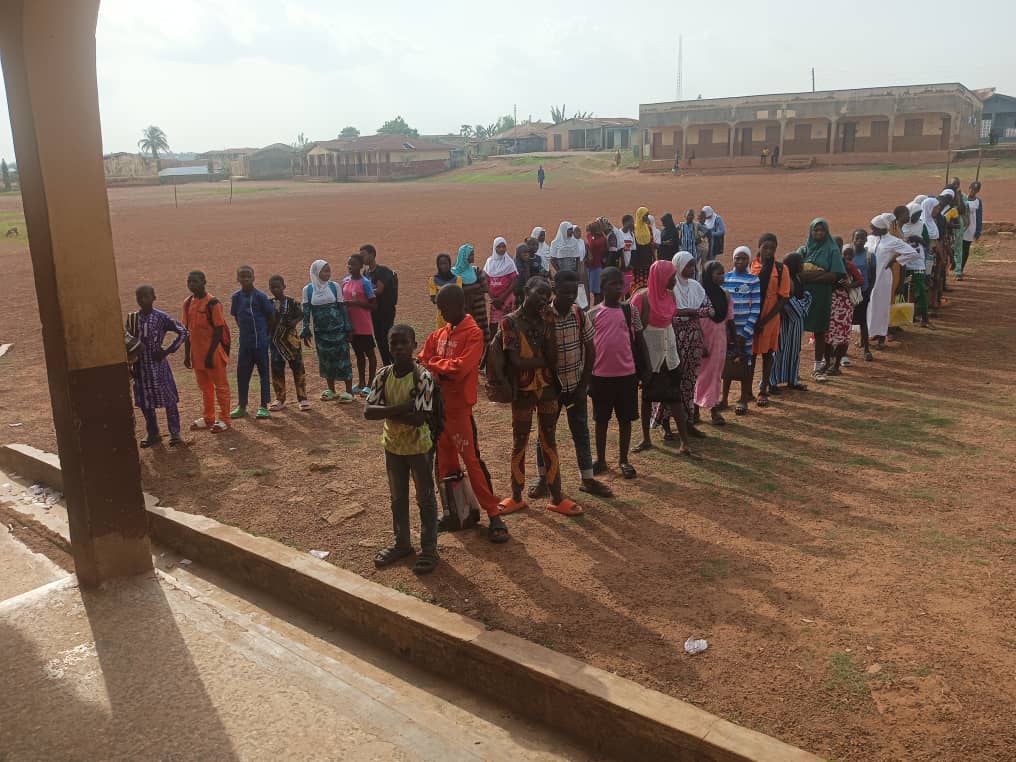
The Tutorial Programme
The MCIGS, initially established in January 2020 to recruit teachers for community high schools, shifted its focus in March 2024 to offering free tutorials for senior public school students in key subjects for university admission. The programme began in April 2025 with 100 SS1 science students, with plans to expand annually and include other academic fields like arts and social sciences
The Tutorial Colleges/Faculties
Though the tutorial programme began with 100 science students, MCIGS plans to expand into three distinct faculties:
College of Science: Covering Years 10–12 (SS1–SS3), focusing on Biology, Chemistry, English, Mathematics, and Physics.
College of Art: Also spanning SS1–SS3, with subjects including English, Literature, Government, History, and Civic Education.
College of Social Science: Offering English, Commerce, Economics, Accounting, and Mathematics across the same three levels.
The Tutorial Centre
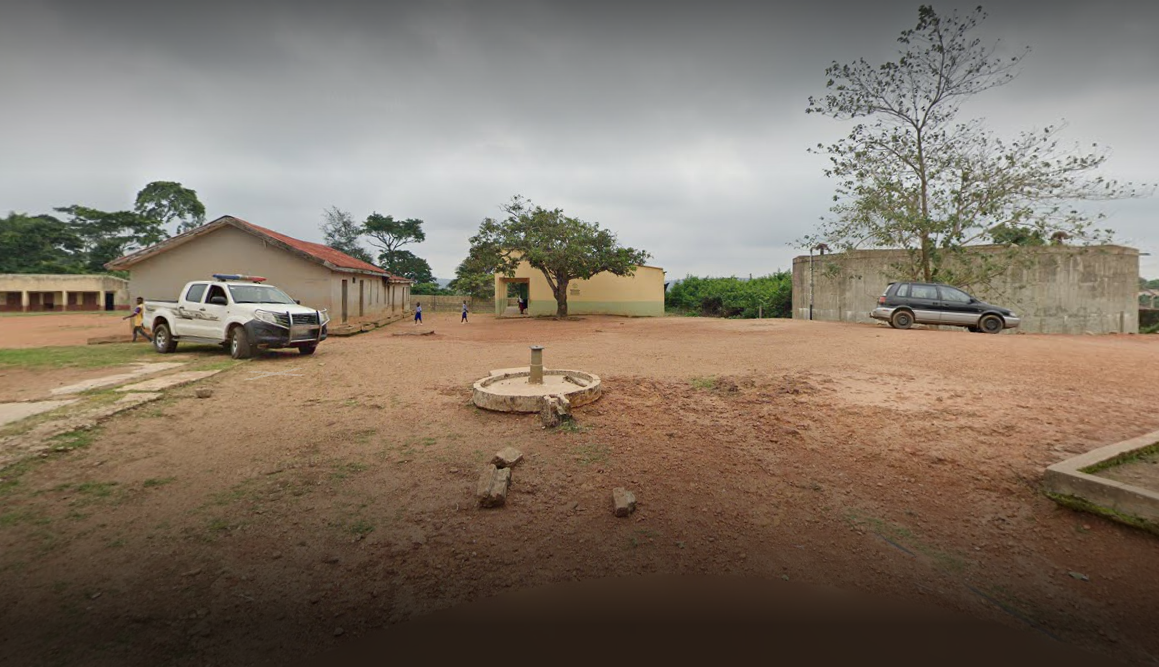
The current tutorial centre at Baptist Day Primary School in Ila Orangun was approved for the MCIGS by the local government education board on the 18th of August 2024. These venues allow the organisation to provide WAEC syllabus standard tutorials for 100 students in 5 core science subjects: biology, chemistry, english, mathematics and physics, with 3 classes holding simultaneously Mondays to Fridays throughout the year except on public holidays.
The Admission Policy
The admission to the MCIGS tutorials is purely based on individual performance in the formal entrance examinations in English and Mathematics conducted across all the 7 public high schools by the programme manager followed with marking by the english and mathematics specialists. The top 100 students are thereafter selected and issued admission letters for the tutorials without recourse to their age, gender, local school, state of origin or religious affiliation.